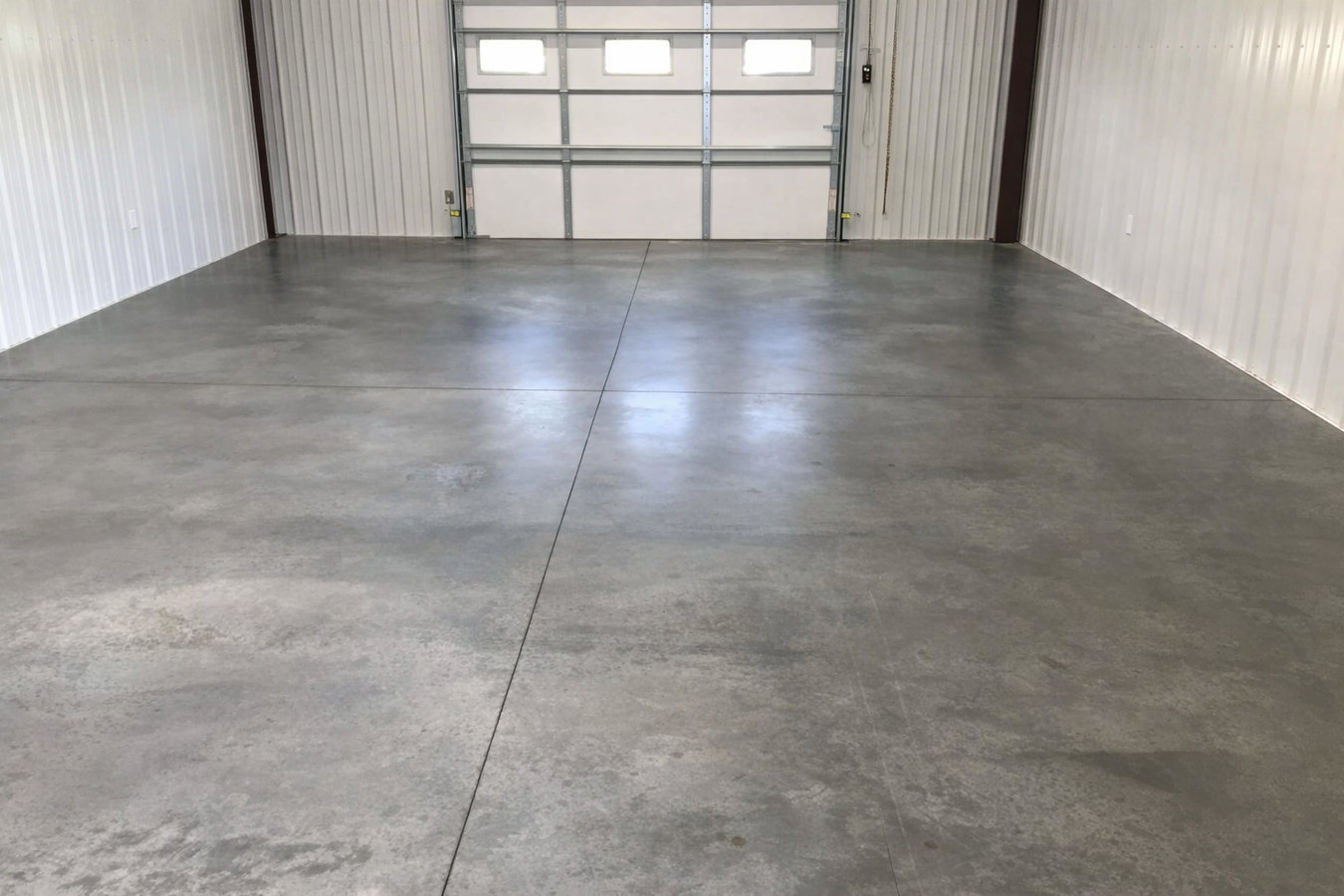
Cracked, uneven, or crumbling concrete floors are a Redlands problem we fix for good. We pour garage slabs, basement floors, and addition floors that hold up through Inland Empire heat and clay soil.
Concrete floor installation in Redlands starts with ground preparation - removing old material, compacting the soil, and adding a gravel base - then the crew pours, spreads, and finishes the surface in one continuous session. Most jobs take one to three days of active work depending on area size.
A lot of Redlands homes were built between the 1940s and 1970s, and many still have their original garage slab or basement floor - often thinner than today's standards and without proper moisture protection. If your floor is cracking, pitting, or uneven, the Inland Empire's clay soil is usually involved. Patching the surface does not fix a floor that is moving from below. We pair this work with garage floor concrete when homeowners want a polished or coated finish on top of the new slab.
The California Contractors State License Board requires licensed contractors to meet minimum standards for this type of work. You can verify any contractor at cslb.ca.gov before committing to a quote.
If you have patched cracks before and they return, or if cracks are wider than a pencil, the underlying slab may be failing. In Redlands, clay-heavy soil shifts beneath the floor over years of wet and dry cycles. Patching the surface does not fix a floor that is moving from below.
Walk your floor slowly and notice whether certain spots feel higher or lower. Uneven concrete is a sign the ground beneath has settled - something that happens more frequently in older Redlands homes built on less-prepared soil. An uneven floor creates tripping hazards and can make garage doors hard to close.
A chalky white residue on your concrete is a sign that moisture is moving up through the slab from below. In Redlands, this can happen after winter rain events when water rises temporarily. Left unaddressed, ongoing moisture can damage anything stored on the floor and signals the slab needs replacement with a proper moisture barrier underneath.
Concrete floors in Redlands homes built before the 1980s were often poured thinner and without moisture protection. If your floor is pitting, flaking, or has a rough crumbling texture, it has likely reached the end of its useful life. Replacing it now is far less disruptive than waiting until structural issues develop.
We pour concrete floors for garages, basements, workshops, room additions, and covered patios. Every pour includes soil compaction, a gravel base layer, the correct slab thickness for your intended use, and control joints cut to guide any natural shrinkage into straight planned lines rather than random cracks. For garage floors, we typically pour at least four inches thick. For living spaces and conversions, we discuss thickness based on what you plan to put on top and what load the floor needs to carry. We also work alongside our concrete pool decks projects when a full outdoor living area is being built at the same time.
Surface finish options include broom texture for grip in garages and patios, smooth trowel finish for spaces where you plan to lay tile or flooring, and polished or sealed finishes for workshops or converted living spaces. We handle permit applications through the City of Redlands on your behalf and schedule work around the forecast and seasonal heat to protect the pour quality from day one.
Best for Redlands homes with original 1950s-1970s slabs that are cracked, uneven, or lacking moisture protection.
Suited for finished basements, workshops, or rooms where a smooth, level surface is the base for tile, flooring, or polished concrete.
New slab-on-grade for additions, ADUs, or covered conversions where a fresh properly prepared floor is the starting point.
For sections of a floor that have failed while the rest remains serviceable - matched in thickness and finish to the existing concrete.
Redlands sits in the Inland Empire where summer temperatures regularly reach 100 degrees or higher, and that heat affects concrete more than most homeowners realize. Concrete poured during peak afternoon heat dries too fast on the surface, which weakens the finished floor and increases the chance of cracking. We schedule pours for early morning during hot months and monitor the forecast closely. Fall and spring are the most reliable windows for floor work here - and for homeowners in Loma Linda just a few miles west, the same heat management applies.
The clay soil throughout the Redlands area is the other key factor. Clay swells when wet and shrinks when dry, and that seasonal movement is what causes floors to crack and become uneven in homes that were built without adequate base preparation. We add a compacted gravel layer under every pour to cushion that movement, which is the single most important step in how long your floor lasts. Homeowners in Highland deal with the same clay soil conditions and we bring the same approach there. The American Concrete Institute sets the industry standards that guide how this preparation should be done.
Reach out by phone or through our contact form. We follow up within one business day to schedule an on-site estimate - not a phone quote, because the condition of the ground and the existing floor matters too much to skip the visit. You will walk away with a written estimate that breaks down exactly what is included.
For most concrete floor installations in Redlands, we apply for a permit through the City of Redlands Building and Safety Division before work begins. This adds a few days to a couple of weeks depending on city workload. We handle every step - you do not visit any offices.
Before the crew arrives, clear the area completely. On prep day we remove the old concrete if there is any, compact the soil beneath, and add a gravel base layer. This phase takes a half day to a full day depending on project size.
Concrete is poured in one continuous session, spread level, and finished to your chosen texture. Control joints are cut in. The floor is walkable in 24 to 48 hours but needs a week before heavy use. Once cured enough, the city inspector signs off and we walk you through the finished floor.
We serve Redlands and the surrounding Inland Empire. Free on-site estimates, written quotes, and permits handled on your behalf.
(909) 488-7493We hold an active C-8 Concrete Contractor license from the California Contractors State License Board. You can look up our license at cslb.ca.gov in about two minutes. A CSLB license means we carry the liability insurance and workers comp coverage that protect you if anything goes wrong on your property.
Most concrete floor installations in Redlands require a permit, and we manage that process from application to final inspection. We submit the plans, schedule the inspector, and hand you the paperwork at the end. No office visits required on your end.
Redlands summers regularly exceed 100 degrees, and we schedule pours for early morning and monitor forecasts to protect floor quality. Concrete poured in afternoon summer heat dries too fast and results in a weaker floor. We do not take that shortcut.
Every floor we install includes a compacted gravel base layer designed to cushion the seasonal movement of Redlands clay soil. This is the single biggest factor in whether a concrete floor cracks in two years or lasts for decades - and we never skip it to save time.
Concrete floor installation in Redlands is straightforward when it is done right - the prep, the timing, the thickness, and the permit all work together to produce a floor that holds up in this specific climate and soil. We have done this work here and we know what each of those steps looks like in practice.
Pour a durable, slip-resistant concrete deck around your pool - finished and sealed to handle Redlands heat and foot traffic.
Learn moreUpgrade your garage with a coated or polished concrete surface on top of a properly prepared new slab.
Learn moreSummer heat books our schedule fast - reach out now and we will confirm your project date within one business day.